This site is here to set the record straight and share the facts about our development project. We’re committed to protecting the environment, honoring community input, and creating a smart, sustainable future for the Willamette area.
Gail Holmes, past president of the Willamette Neighborhood Association, asked the owner in 2017 to buy the property, remediate the sludge pond, and redevelop the property. She insisted and the plan moving forward would avoid traffic going into the existing neighborhoods. The owner has lived in West Lin for over 25 years and is a for-profit social entrepreneur, creating economic, environmental, and social value. An all-star team of consultants has advised him from the project’s inception.
Gail asked to let people know that this project came to fruition because of her. It is also the owner’s intent to retain a community advocate that would maintain communication with the community stakeholders so as we move through the development process the stakeholders’ critical concerns can be addressed.
Continue reading to see our statements on the following topics:
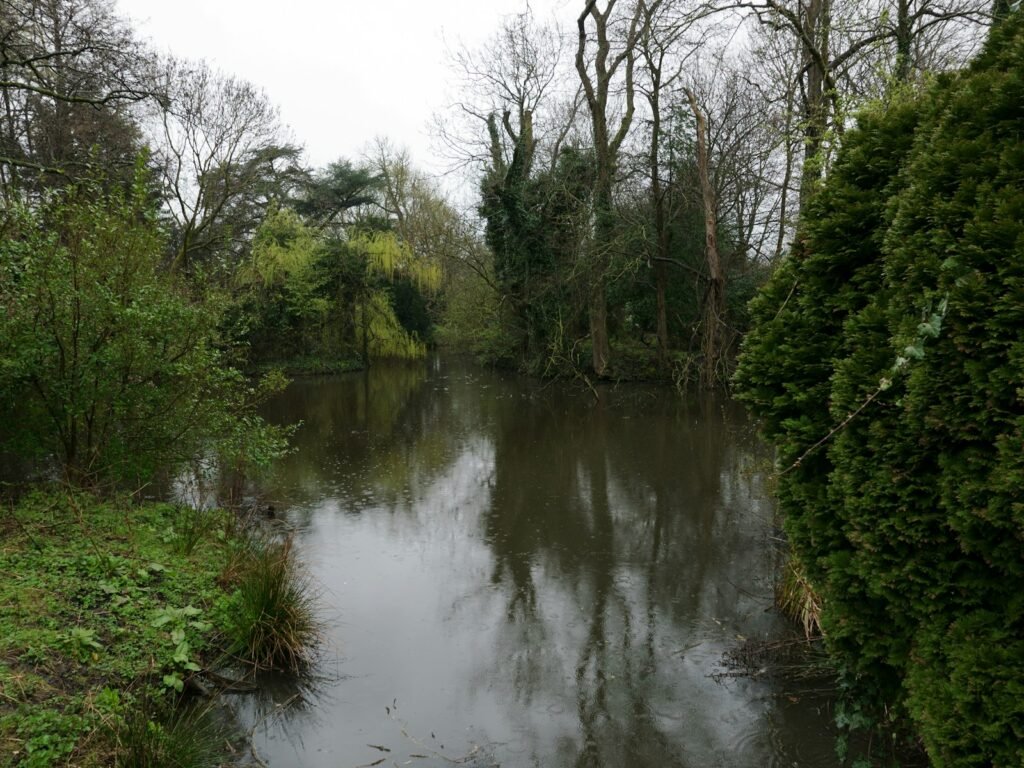
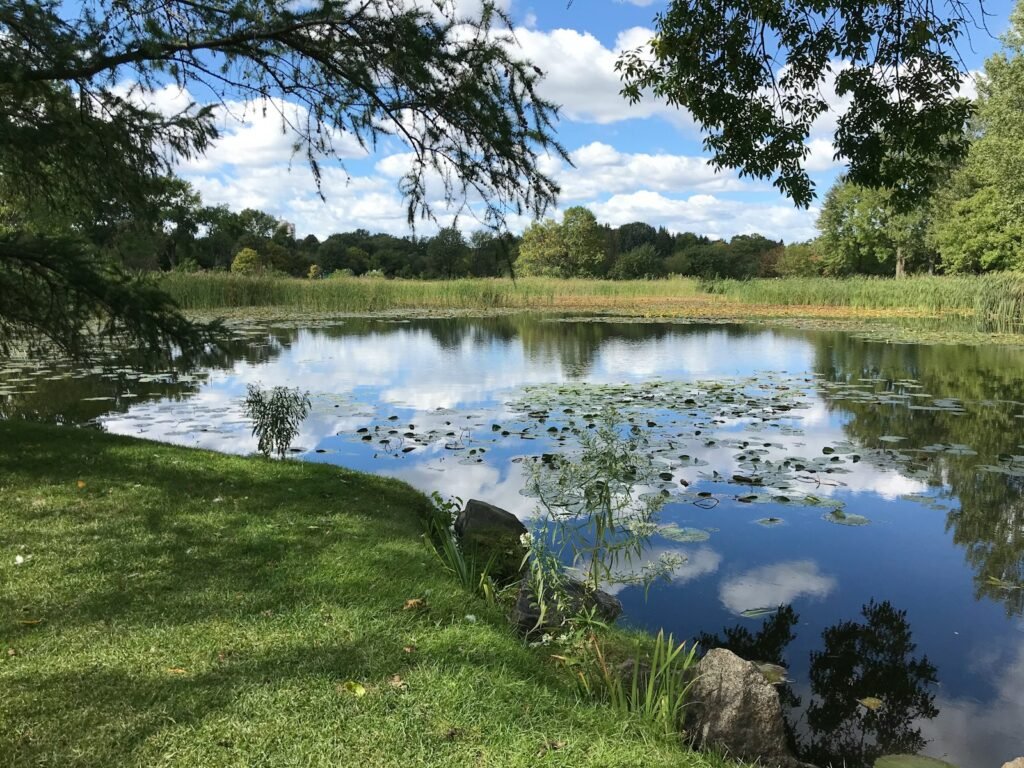
We are not building in the wetlands, flood plain, or within FEMA boundaries. Any signs indicating otherwise are false. Under current ownership, the pond area has increased from about 200 ft to 1400 ft. The wetlands are not only protected, but they have also increased in size by five times.
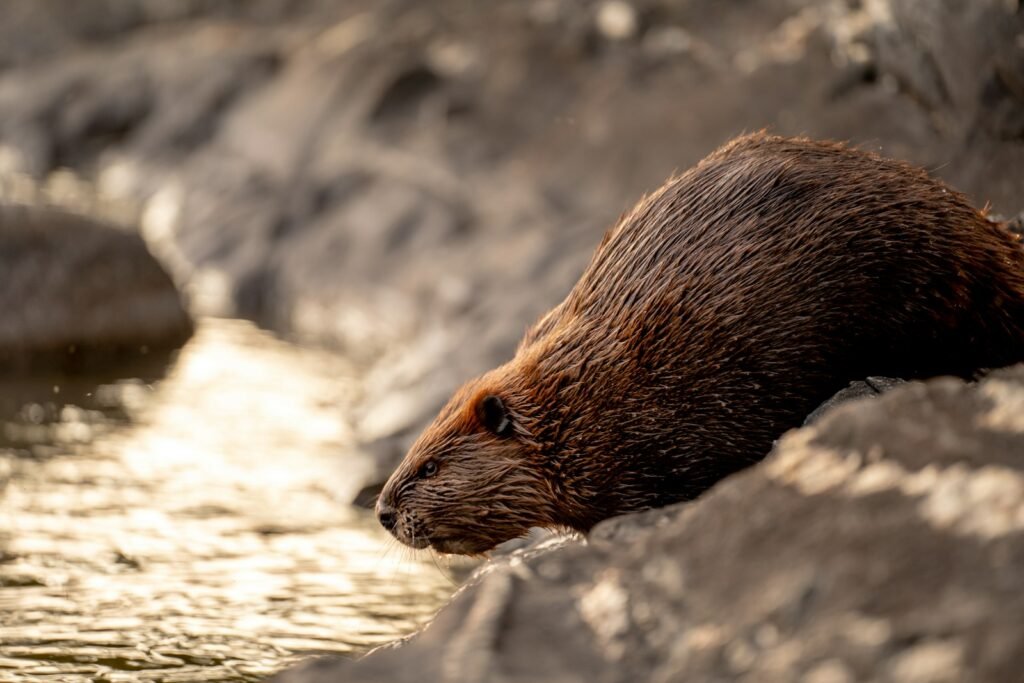
No beavers are being threatened. Claims suggesting otherwise are false. Jacob Shockey from Beaver Management Services has been hired by the owner to develop a management plan.
Contamination is isolated to the publisher’s pond and as a result of testing, DEQ has approved Phase 1 entitlements since no contaminants are leaching from outside the containment area. Signs claiming cancer-causing elements leaching into the environment are false.
The property was purchased with a prospective purchaser’s agreement (PPA) and the owner is in full compliance since it was bought in 2020. In addition, Phase1, currently zoned residential has recently received a clean phase one environmental report, other soil testing data and recent testing by the city in Bennet Stream; all these reports indicate the residentially zoned land is uncontaminated.
The signs that say sludge pond is leeching contaminants into the environment are false.
The property is approximately 39 acres, with 13.5 acres zoned residential and 25 acres zoned industrial that includes 300 LF frontage on the Willamette River. A private road runs through this parcel. It is not a public road. Any signs suggesting it is zoned for a park or wildlife sanctuary are false.
Although about the owner envisions creating a conservancy area with wildlife viewing platforms as part of a Smart Growth Development project, including a micro energy district, zero energy and zero carbon houses, and affordable housing.
Smart Growth Development projects are compact, high-value projects that maximize open space, recreational areas, and conservancy areas. They reduce sprawl and taxes, unlike traditional low-density projects that increase sprawl and taxes. The density proposed for Phase 1 is 48 units over 13.5 acres, currently zoned residential, resulting in a density of over 12,000 SF per unit.
This is a class A location, and it is the Owner’s intent to see Class A luxury housing and affordable housing indistinguishable from the Class A housing, perhaps sold with an income restriction.
Currently zoned for up to 400,000 SF of Class A+ industrial warehouses. An alternative development concept being explored is to perhaps rezone it to a mix of recreation and yes, perhaps a public park. It can potentially be privately financed by building luxury class A housing, up to 20% affordable housing, 80-key, luxury 4-diamond boutique hotel, marina – subject to a favorable feasibility study. It can perhaps feature a crystal blue lagoon with white sand beaches.
It is not currently a park; it is a contaminated former pulp mill sludge pond, zoned industrial. Not filling the sludge pond would avoid perhaps as much as 400 miles of trucks bringing fill to the neighborhood and saving millions of tons of Co2 being released into the environment.
We are endeavoring to utilize new technology to reprocess the perhaps as much as 200,00 CY of sludge on-site. In contrast, if the entire 14-acre, 20-foot-deep sludge pond is filled it would require perhaps more than 400 miles of trucks to fill it. The owner knows the neighborhood would not want 400 miles of trucks coming into the Willamette neighborhood.

Lorem ipsum dolor sit amet, consectetur adipiscing elit. Ut elit tellus, luctus nec ullamcorper mattis, pulvinar dapibus leo.
Copyright © 2025 Rivianna, All rights reserved.